![[2026 Guide] Top 10 Memorization Games & Gamified Study Secrets for Exam Success](https://pathmemoria.tsmichi.com/blog/game_hero_2026.jpg)
Hello, I'm Taku. Have you ever sat down to memorize vocabulary, historical dates, or science formulas only to lose focus within five minutes, getting bored and reaching for your smartphone? Working with students in high school classrooms every day, I have realized that the primary reason people struggle with consistency is not weak willpower or lack of discipline. The human brain simply finds staring at static text inherently monotonous.
Recent breakthroughs in neuroscience and cognitive psychology demonstrate that the brain achieves peak concentration and long-term retention when challenged by dynamic "gamification" elements like instant feedback, progressive mastery, and dopamine-driven rewards. In this comprehensive guide, we explore the top memorization games and apps alongside brain-science protocols to turn study sessions into engaging play. By integrating evidence-based strategies aligned with the U.S. Department of Education Personalized Learning Guidelines, you can transform daily study into an effortless, exciting game that sticks!
- •Characteristics of popular memorization games and quiz apps
- •How dopamine reward systems eliminate study burnout
- •Time-attack techniques and XP rewards to trigger intense focus
- •How AI spaced repetition and countdown goals ensure peak exam scores
Top Memorization Games to Learn Effectively with Fun
Transforming repetitive memorization from tedious drudgery into an exciting gaming experience begins with selecting the right game format and app for your learning style. Whether using digital smartphone apps or physical card duels with classmates and family, here are the most powerful gamified memorization methods to supercharge your retention.
Compete in Real-Time Quizzes with Friends and Rivals
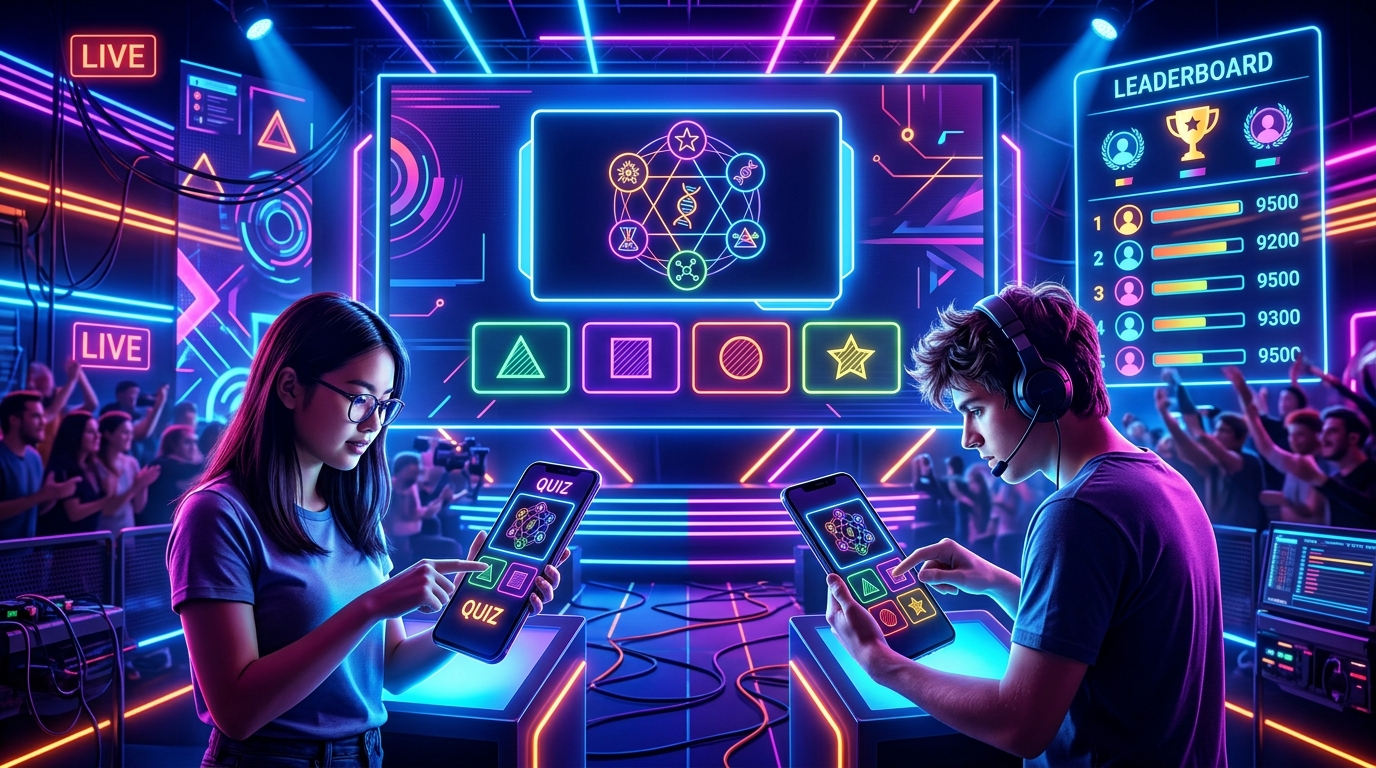
When studying vocabulary or facts alone feels exhausting, real-time multiplayer quiz competitions provide an immediate burst of motivation. When humans compete with peers, the brain's amygdala and dopamine pathways activate simultaneously, releasing adrenaline that sharpens reaction speed and boosts memory recall velocity.
Organizing short quiz tournaments with classmates after school or on weekends turns hours of dry cramming into a 15-minute high-energy match. In high school classrooms, classes that incorporate peer quiz battles before exams consistently achieve significantly higher average test scores. The thrill of answering correctly under pressure and the competitive drive after a close loss create a powerful, self-sustaining study loop.
When solo studying stalls, challenge friends to quick quiz battles. The healthy pressure fully wakes your brain and unlocks rapid knowledge retrieval!
Level Up in RPG Quests by Defeating Monsters
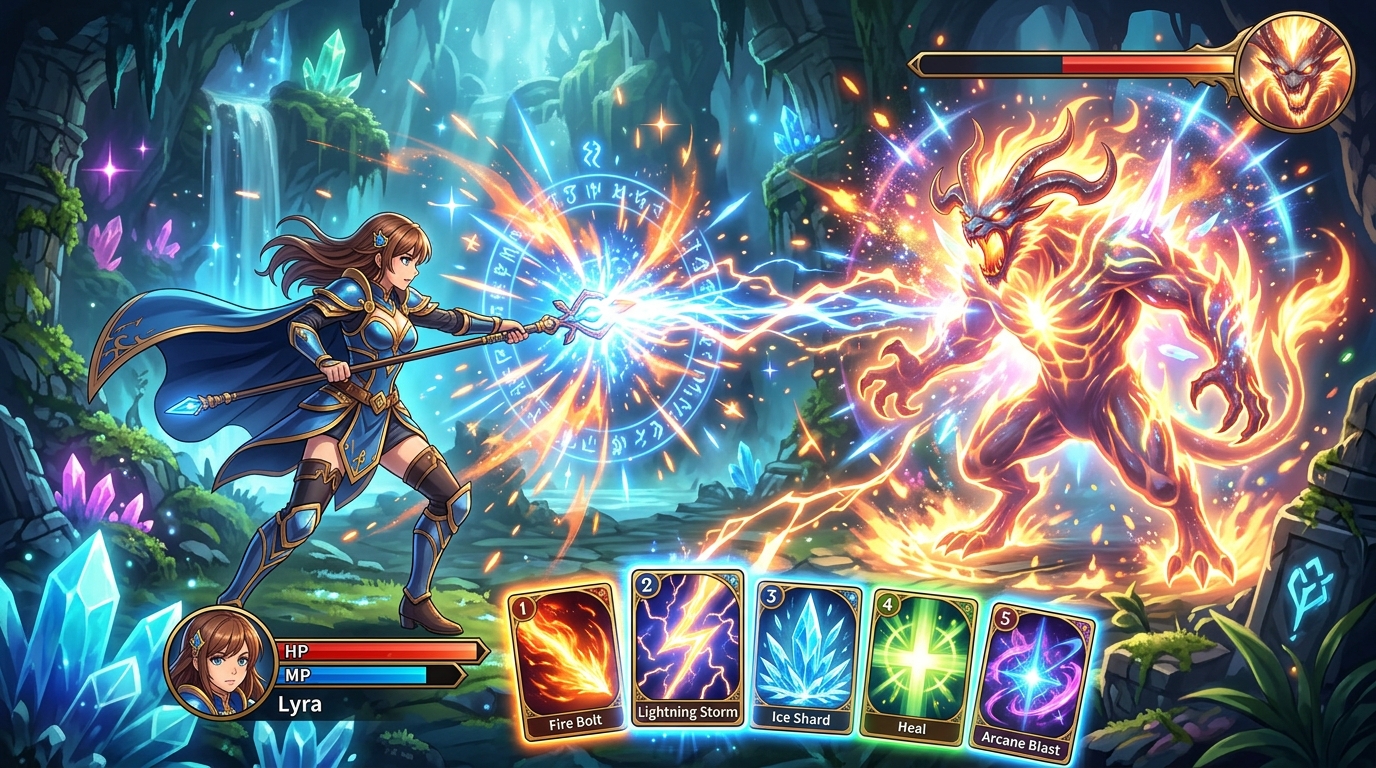
If you can easily spend hours grinding levels and defeating bosses in video games but lose energy after ten minutes with a textbook, RPG-based memorization apps are built for you. In these quest-style apps, each correct answer translates into an attack against fantasy monsters, and clearing stages unlocks new weapons, armor, and characters.
Translating abstract knowledge into tangible character progression directly stimulates the brain's nucleus accumbens, sustaining intrinsic motivation over months. The desire to conquer the next dungeon fuels your commitment to solve twenty more flashcards, enabling students and busy professionals to conquer heavy study quotas without burnout.
Fast-Paced Flick Sorting with Action Flashcards
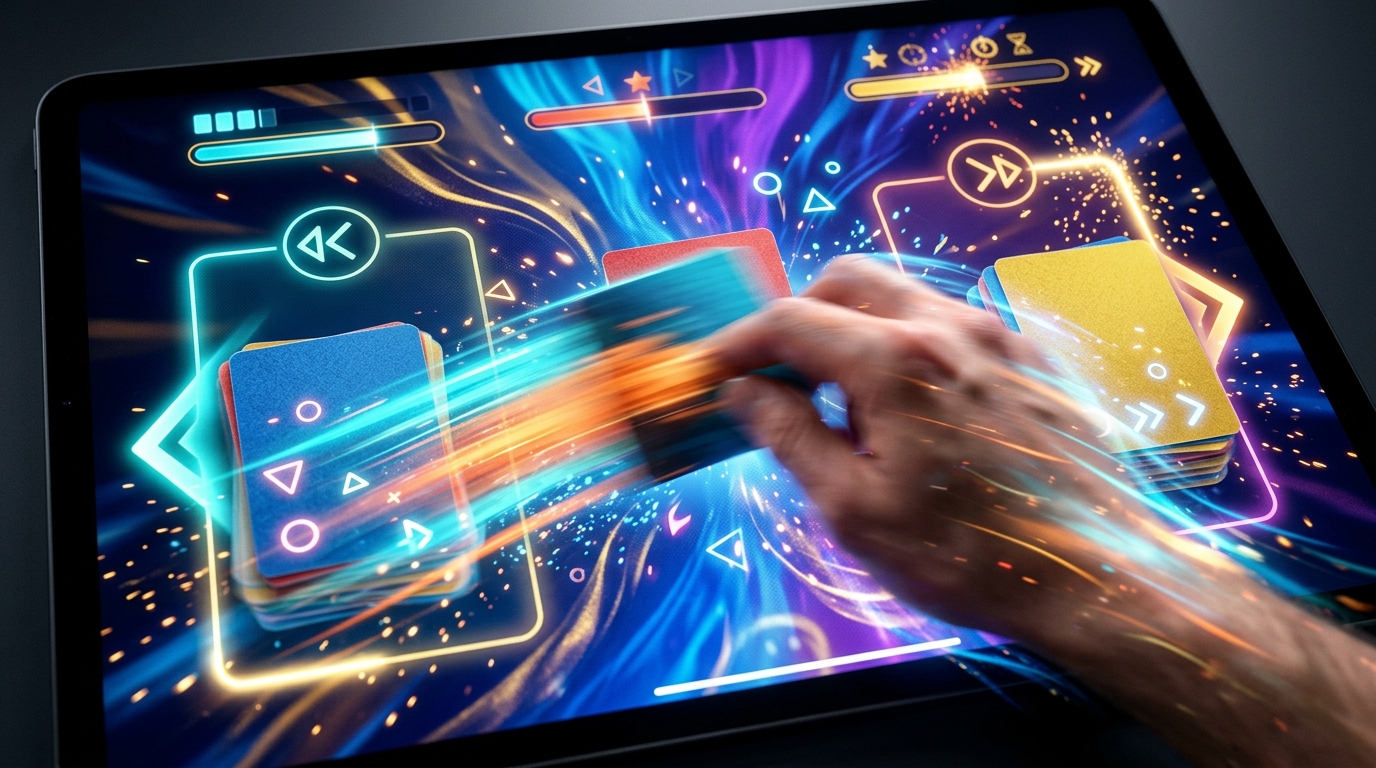
For learners who prefer arcade-style rhythm and brisk efficiency over complex storylines, high-speed flick flashcards offer unparalleled momentum. Answering cards in one to two seconds with intuitive left/right swipes ("Mastered" vs. "Needs Review") turns memorization into an exhilarating reflex game.
Processing 20 to 30 flashcards per minute commands full working memory capacity, leaving zero room for distractions or wandering thoughts. Treating each session as a personal time-attack challenge allows you to review hundreds of vocabulary terms during brief train commutes or class breaks with remarkable speed.
Real-Time AI Difficulty Adjustment for Optimal Flow

The core secret behind engaging video games is meticulously calibrated game balance. In study, reviewing only easy cards leads to boredom, while facing exclusively hard questions triggers helplessness and fatigue. Modern AI memorization platforms analyze response latency and accuracy history in real time to sustain a golden 75% to 80% success rate.
By queuing questions right at the boundary of forgetting, the AI acts like a dedicated game master creating personalized challenge curves. This dynamic balancing maximizes long-term retention while minimizing mental exhaustion.
Physical Karuta Card Battles with Friends and Family
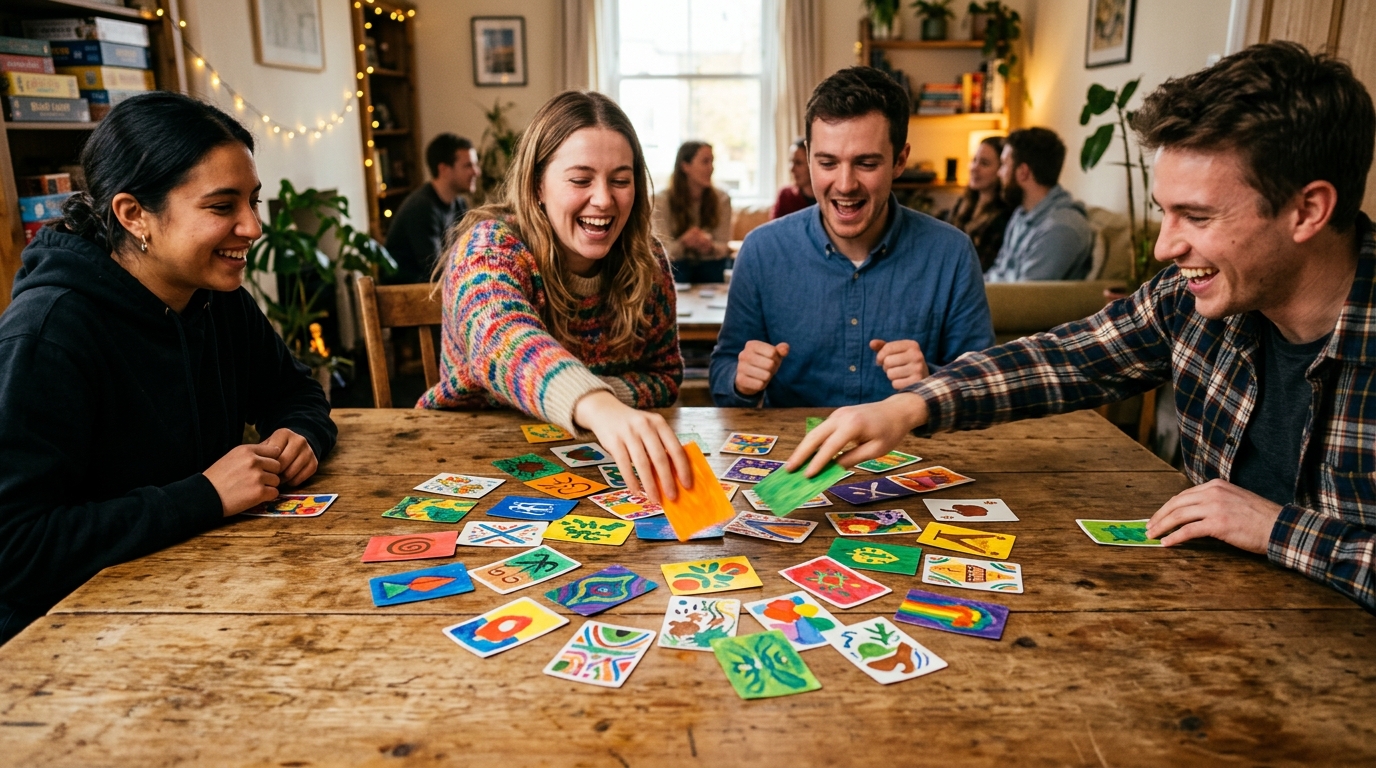
When screen fatigue sets in, hands-on physical card games offer a refreshing alternative. Writing clues on the front and answers on the back, laying cards out, and competing to grab the correct card when a question is read aloud creates an engaging tactile experience.
Engaging visual, auditory, and motor pathways simultaneously builds robust episodic memories far stronger than passive screen viewing. Practicing with family, siblings, or study groups before major exams transforms high-stakes pressure into shared laughter and solid mastery.
📝 Review Quiz 1: Check Your Understanding So Far
Question: When gamifying memorization, what target quiz accuracy rate is science-backed to sustain peak concentration and dopamine release without triggering boredom or frustration?
💡 View Answer and Explanation
Answer: An accuracy rate of approximately 75% to 80%.
Explanation: According to psychological flow theory, challenges that are too easy breed boredom, while those with accuracy below 50% induce discouragement. An 80% accuracy balance provides steady success dopamine while keeping working memory actively engaged.
Brain Science Secrets to Gamify Study and Build Habits
To ensure gamified study apps produce genuine high scores on exams and certifications rather than mere entertainment, you must leverage the five foundational principles of cognitive gamification.
Wire Lasting Memories with Dopamine Reward Cycles
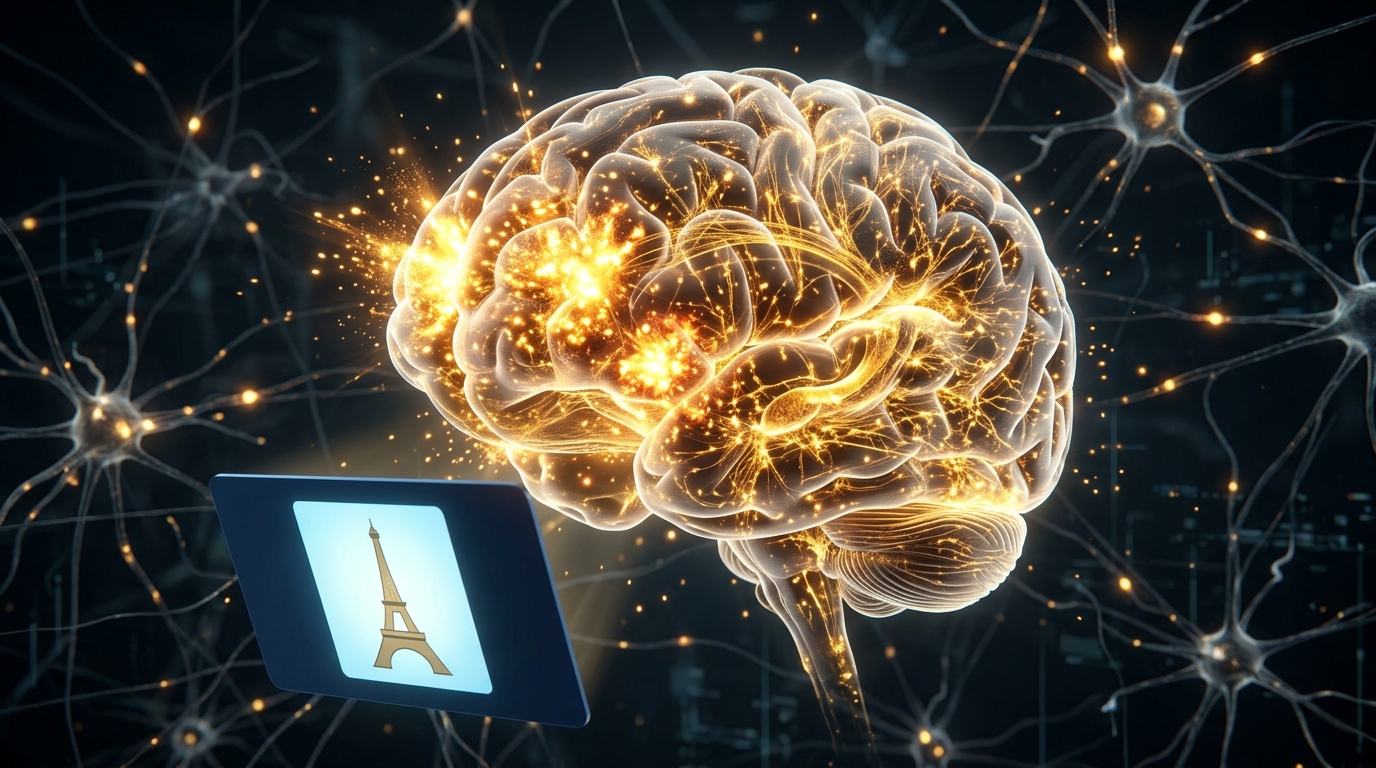
The physiological driver of intense engagement in games is dopamine. Released upon achieving milestones or solving challenges, dopamine produces feelings of triumph and reinforces the drive to repeat the behavior. In neurobiology, dopamine release during active recall significantly enhances Long-Term Potentiation (LTP) in the hippocampus.
Research published in Science (The Critical Importance of Retrieval for Learning by Karpicke et al.) confirms that active retrieval testing achieves more than double the long-term retention of passive reading. Celebrating each correct answer creates a tight feedback loop that stamps knowledge permanently into memory.
Maximize Prefrontal Focus with Time-Attack Limits
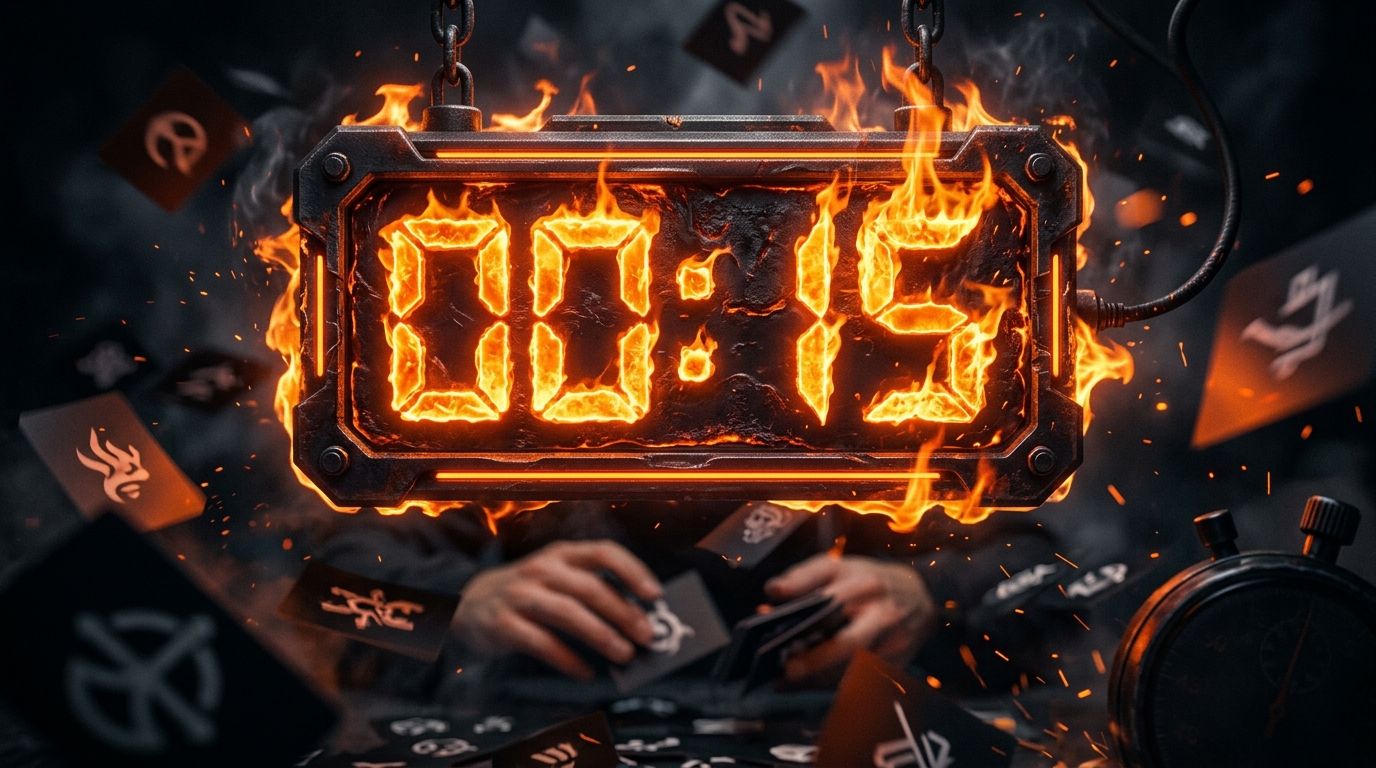
Without time constraints, cognitive alertness declines, leaving attention vulnerable to notifications and wandering thoughts. Setting explicit countdown limits is the most immediate way to ignite intense concentration.
Challenging yourself to solve 15 cards in 60 seconds triggers healthy noradrenaline release, directing 100% of prefrontal resources toward knowledge retrieval. This speed training builds composure and accuracy under strict exam time limits.
Visualize Progress with Consecutive Streaks and XP
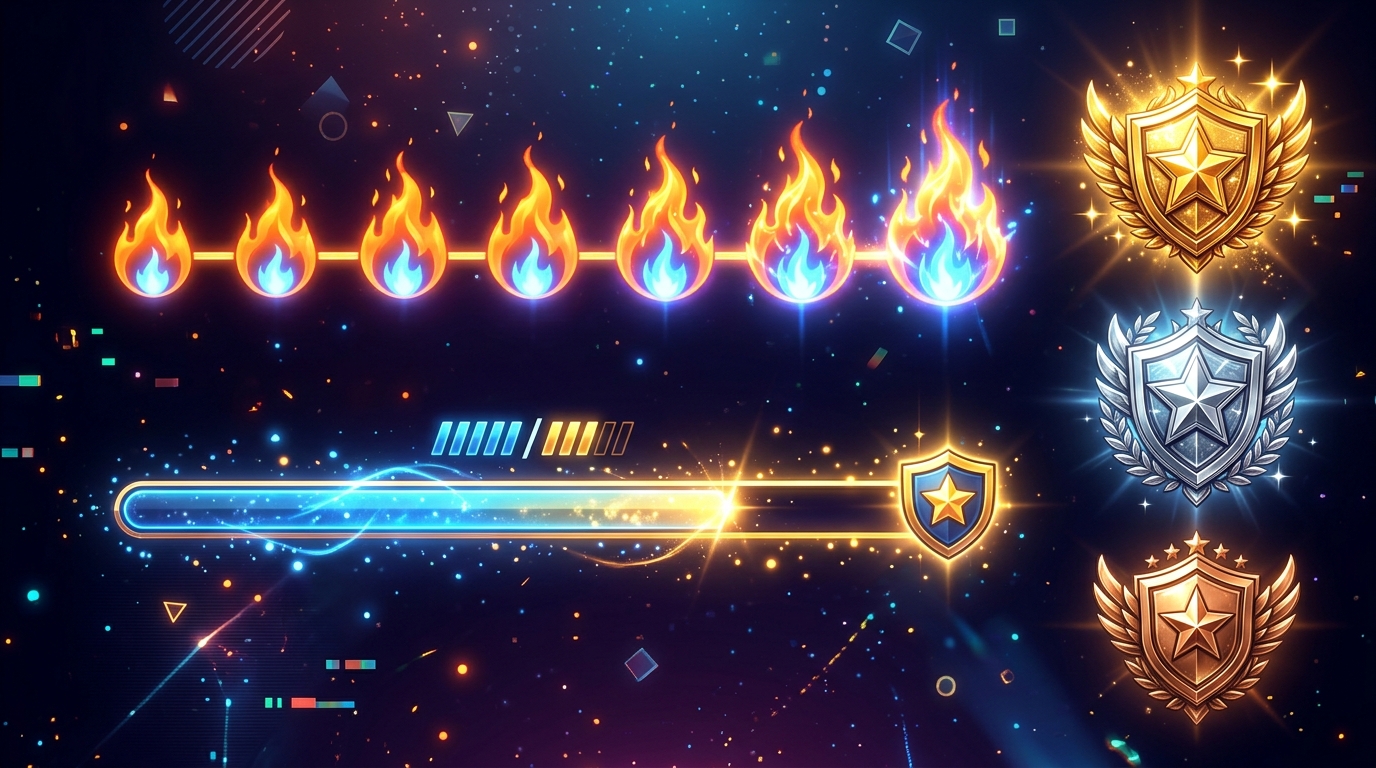
The primary reason students abandon study routines is the lack of visible progress. As emphasized in the NIH Behavioral & Habit Formation Guidelines, visualizing daily behavioral milestones on charts and dashboards is vital for long-term consistency.
Unlocking 10-day streak badges and hitting cumulative XP milestones triggers loss aversion: you refuse to break a streak you worked hard to build. This psychological momentum makes opening your flashcards second nature, even on busy days.
Enter Effortless Flow with 80% Success Rate Challenges
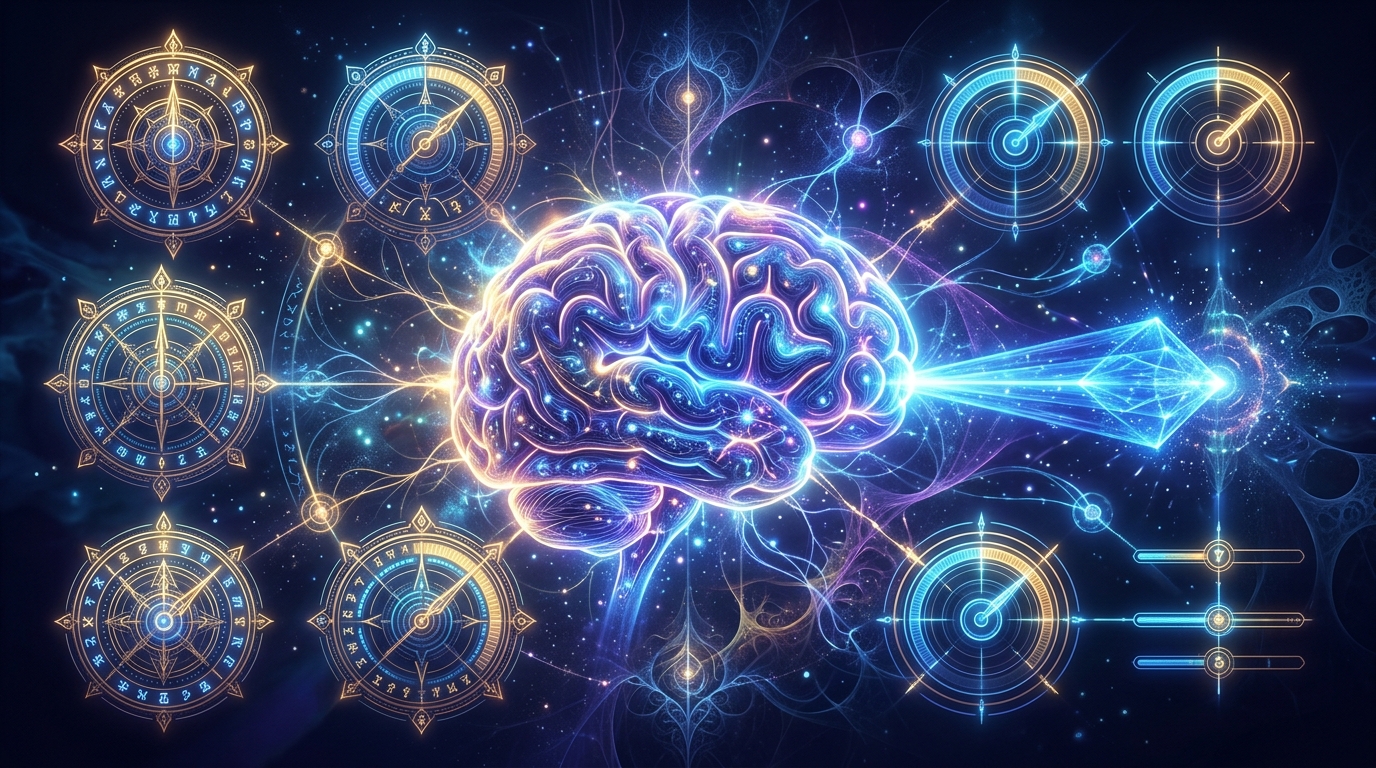
Psychologist Mihaly Csikszentmihalyi identified the flow state as the zone where challenge perfectly matches skill. In memorization, maintaining a 75% to 80% accuracy rate keeps the brain fully immersed without anxiety or boredom.
Structuring review decks with roughly 70% familiar cards and 30% challenging items keeps learning engaging and rewarding, allowing hours of productive review to pass in what feels like minutes.
Conquer Exam Deadlines with Spaced Repetition AI
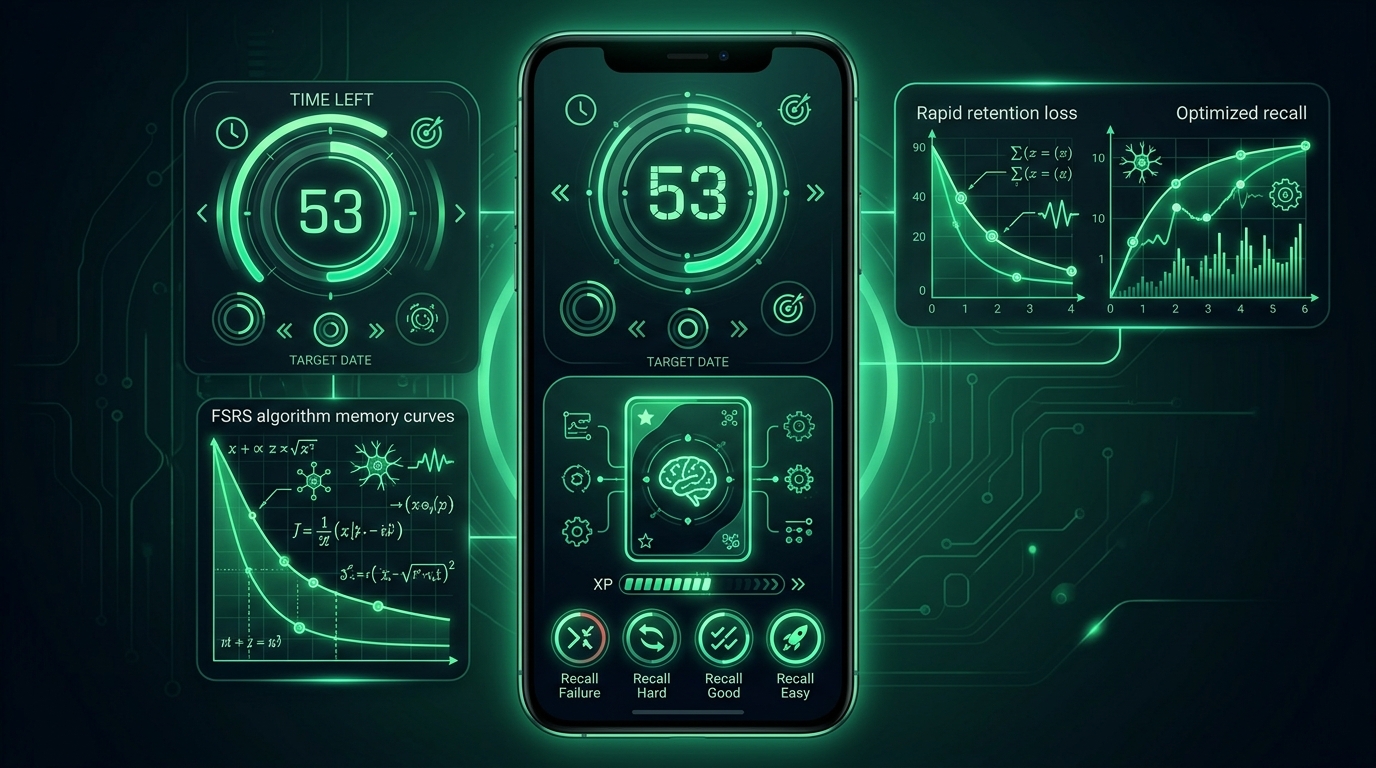
For learners seeking the fun of gaming combined with proven exam success, PathMemoria is the definitive tool. Powered by the state-of-the-art FSRS v6 algorithm, it calculates memory stability to serve questions at the exact moment before forgetting, while rewarding every review with XP and streak progress.
Featuring Google's latest Gemini AI for automated conceptual explanations and instant camera-to-quiz image occlusion, PathMemoria reverse-calculates your daily card quota from your exam date. You simply clear daily quests to secure top scores.
Gamifying study is not cutting corners—it is the smartest, most brain-compatible strategy for academic excellence. Those who enjoy the process always win!
Boost Academic Mastery with Memorization Games

Memorization has evolved from painful endurance into an empowering, game-like experience. By pairing game mechanics with dopamine rewards, time attacks, and visualized milestones, study anxiety vanishes.
Delegate tedious note-making to modern tools and focus 100% of your energy on the thrill of active recall. Adopt scientific memorization games today to conquer your exams with joy and confidence!
📝 Review Quiz 2: Core Gamification Takeaways
Question: What three core gamification elements are essential to sustain long-term study habits and eliminate burnout without relying on willpower?
💡 View Answer and Explanation
Answer: 1. Immediate dopamine feedback on correct answers, 2. Visualized progress via streaks and cumulative XP, and 3. Dynamic difficulty calibration (around 80% accuracy) powered by spaced repetition AI.
Explanation: Providing immediate reward sensations, tangible evidence of growth, and optimal challenge levels continuously stimulates brain reward pathways, turning study into an automatic daily habit.

![[2026 Guide] Overcoming Anki Fatigue: How to Eliminate Complex Settings & Add-Ons with Next-Gen Spaced Repetition](https://pathmemoria.tsmichi.com/blog/anki_migration_hero.jpg)