![[2026 Guide] Top 7 English Vocabulary Apps Analyzed by Brain Science](https://pathmemoria.tsmichi.com/blog/blog_vocab_apps_2026_hero.jpg)
Hello! I'm Taku, a high school teacher and learning developer. When guiding students for high school exams, college entrance exams, TOEIC, and TOEFL, I constantly hear: "No matter how many hours I spend, English words just don't stick," or "I flip through vocabulary books daily, but during tests I freeze." Adult learners preparing for TOEIC also ask how to study efficiently during crowded commutes.
Here is the truth: Failing to memorize vocabulary is NOT a flaw in your memory or willpower. It is caused by continuing passive, outdated study methods—like mindless re-reading or studying without spaced intervals—that violate how the human brain consolidates memories.
Following guidelines from educational authorities such as the U.S. Department of Education promoting self-directed digital learning, modern vocabulary acquisition requires choosing the right science-backed application. In this guide, I break down essential selection criteria and review the top 7 English vocabulary apps of 2026 in detail.
- •How Active Recall and Spaced Repetition double long-term vocabulary retention.
- •The decisive differences between free and paid apps and how to succeed on a $0 budget.
- •Comprehensive comparison chart by goal: High School, College Entrance, TOEIC, and Adults.
- •How FSRS v6 AI and Target Date Back-Calculation reduce study hours by 30%.
Why Most People Fail with Vocabulary Apps: 3 Pitfalls & Selection Rules
Before downloading an app, it is essential to understand why past memorization efforts stalled. Even with top apps, ignoring neural memory mechanisms wastes hundreds of valuable study hours.
Passive Reading Yields Only 36% Retention: Active Recall Doubles Memory
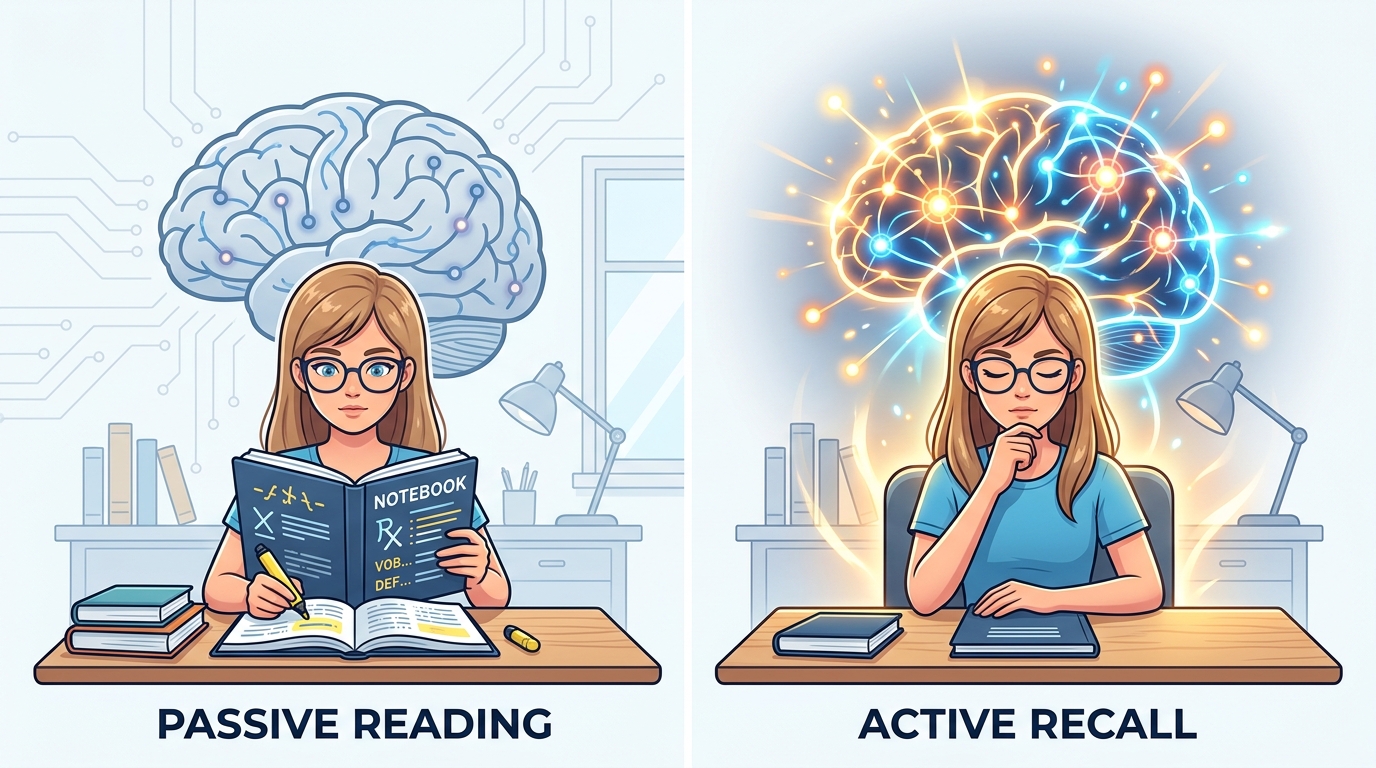
The most common trap is passively scrolling through word lists and nodding along. The human brain tricks itself into believing it has mastered a concept simply because the definition was recognized visually. In reality, passive re-reading creates almost zero lasting synaptic connections.
In a landmark study published in Science (The Critical Importance of Retrieval for Learning), Dr. Jeffrey Karpicke demonstrated that students who repeatedly re-read word lists retained only 36% of material after one week. In contrast, students who engaged in active retrieval testing retained roughly 80%. Forcing your brain to struggle and retrieve the answer boosts retention by 2.2x to 2.4x. Always choose apps that demand instant recall testing over passive dictionary viewers.
Apps Without Spaced Repetition Waste Time: 24-Hour Review Windows
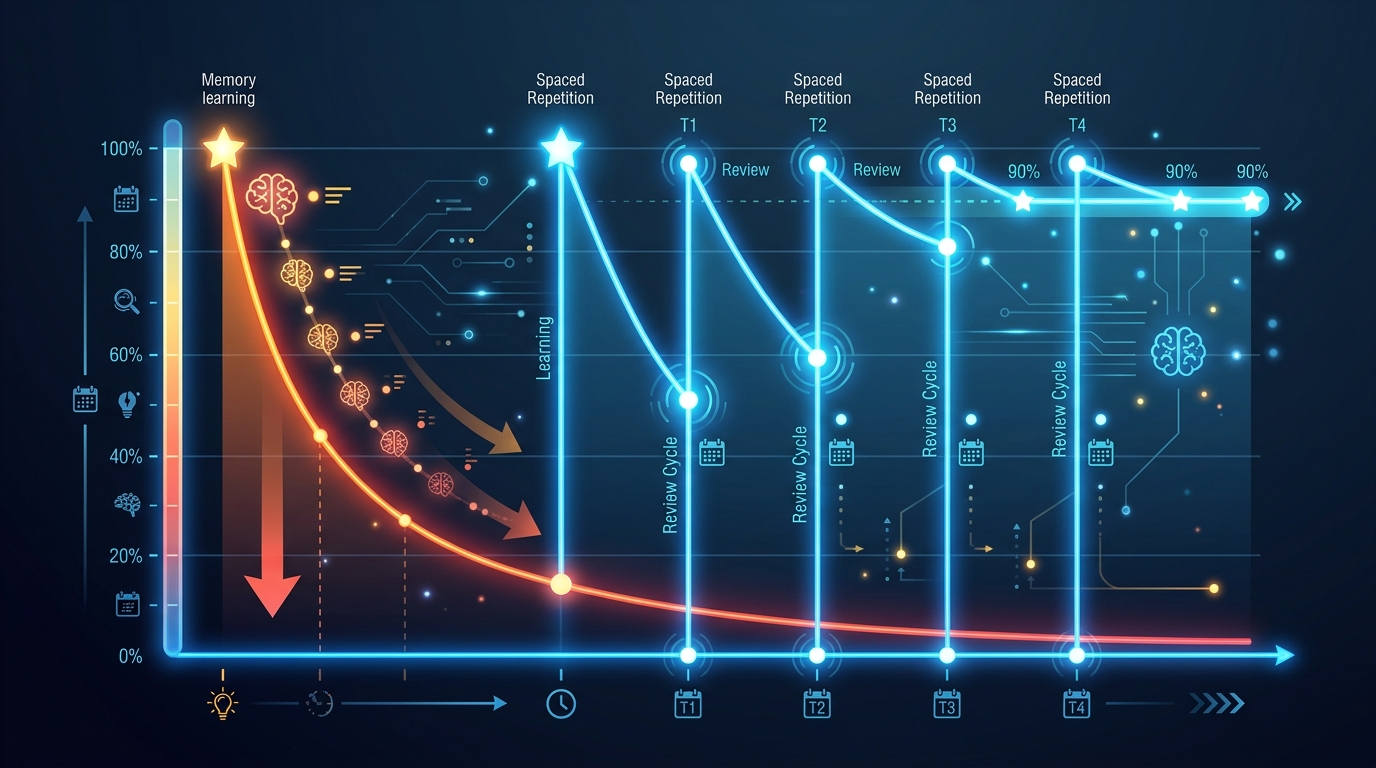
Newly acquired vocabulary decays rapidly without review, losing up to 74% of recall strength within the first 24 hours. Many learners attempt to study vocabulary sequentially from word 1 to word 2,000, but by the time they reach the end, the earliest words are completely wiped out, trapping them in an endless cycle of starting from scratch.
The only remedy is Spaced Repetition. A word must be reviewed within 24 hours of first encounter, then at expanding intervals: 3 days, 1 week, 2 weeks, and 1 month. High-performing apps track your individual response history and automatically serve cards right before memory fades. Because tracking dates manually on a calendar leads to failure in 99% of cases, an algorithmic scheduler is non-negotiable.
Free vs Paid Apps: Which Premium Features are Worth Paying For?
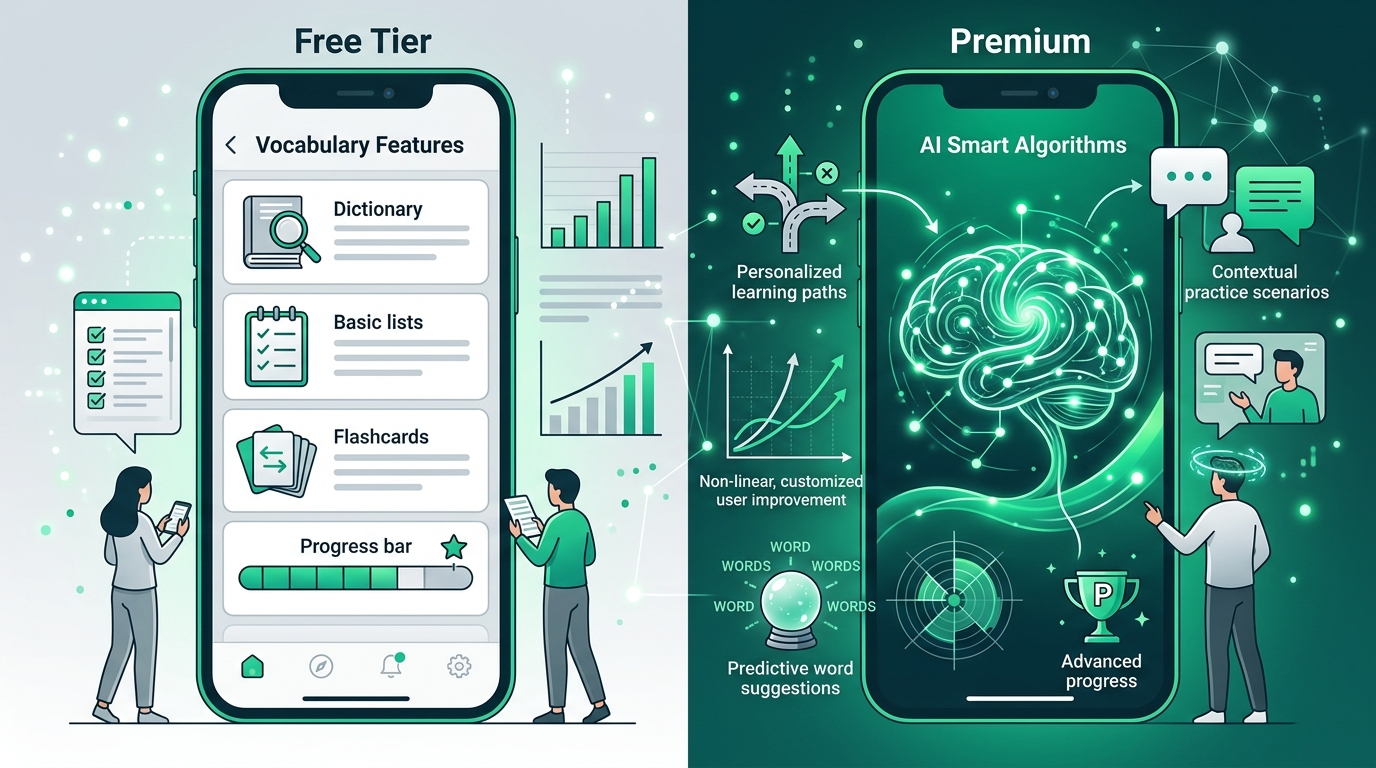
Thousands of vocabulary apps populate app stores, but understanding the line between free and paid tiers helps avoid frustration. The divide typically hinges on four factors: total word count, intrusive advertisements, algorithm accuracy, and AI creation tools.
Many free apps offer basic middle-school lists and 4-choice quizzes, but restrict daily card limits or force full-screen video ads after every few cards, breaking study momentum. In contrast, modern web apps and premium tiers eliminate ads, integrate next-gen FSRS algorithms, and auto-generate contextual sentences, native audio, and explanations. If you want to study for free, prioritize lightweight apps with ad-free custom card creation or modern platforms offering comprehensive free tiers.
Comparison Guide: Choosing the Best App for School, Exams, & TOEIC

App selection must align with your exact goals. A middle school student building basic grammar requires a vastly different tool than a professional targeting an 800+ TOEIC score or a candidate studying medical terminology.
Use this comparison chart to identify the best fit for your objectives:
| App Name | Best For | Memory Algorithm | Custom Cards & AI | Pricing |
|---|---|---|---|---|
| PathMemoria | All learners (Exams, TOEIC, Adults) | ◎ FSRS v6 AI + Exam Date Quota | ◎ AI Auto-Create + Excel/CSV | Free Tier / PRO Monthly |
| Anki | Power users & Medical students | ○ SM-2 / FSRS (Manual setup) | ○ Full Custom (Community decks) | Free PC / iOS ~$25 |
| Quizlet | Students studying in classroom groups | △ Fixed set quiz cycles | ○ Custom decks + Class sharing | Free (Limited) / Annual Sub |
| mikan | Beginners wanting fun gamification | △ 4-Choice quiz tempo | △ Official lists only | Freemium / Monthly Sub |
| WordHolic | Minimalists managing custom lists | △ Manual folder review (No SRS) | ○ Lightweight custom cards | Free (Ad-supported) |
| iKnow! / Monoxer | Business professionals & Schools | ○ Proprietary AI scheduler | △ Institutional curricula | Monthly Sub / School license |
Maximize Commute Gap Time: Audio Autoplay & Sentence Context

While sitting at a desk yields 2–3 hours of daily study, commute trains, walking, and chores add up to an extra 1–2 hours of untapped daily gap time. Converting this time into high-yield review is what sets you up for exam success.
As highlighted in memory and behavioral research from the National Institutes of Health (NIH), maintaining seamless daily routines without cognitive friction is key to long-term habit formation. Background Voice Autoplay is indispensable here: with phone locked in pocket, earphones play "English Term ➔ 3-Second Pause ➔ Translation", allowing you to trigger active recall mentally without touching the screen. Pairing words with short collocations accelerates listening comprehension during actual exams.
📝 [Check Quiz 1]Let's review key takeaways.
[Question] Compared to passive re-reading, how much does active retrieval testing boost long-term memory retention?
💡 View Answer & Explanation
[Answer] Approximately 2.2x to 2.4x (retention jumps from ~36% to ~80%).
[Explanation] Research published in Science shows that the cognitive strain of recalling facts strengthens neural pathways far more effectively than passive exposure.
2026 Top 7 Vocabulary Apps Reviewed: Honest Pros & Cons
Here is an in-depth review of the top 7 vocabulary apps used in real academic and test-prep environments, highlighting their unique strengths and trade-offs.
PathMemoria: Next-Gen FSRS AI & Target Date Back-Calculation
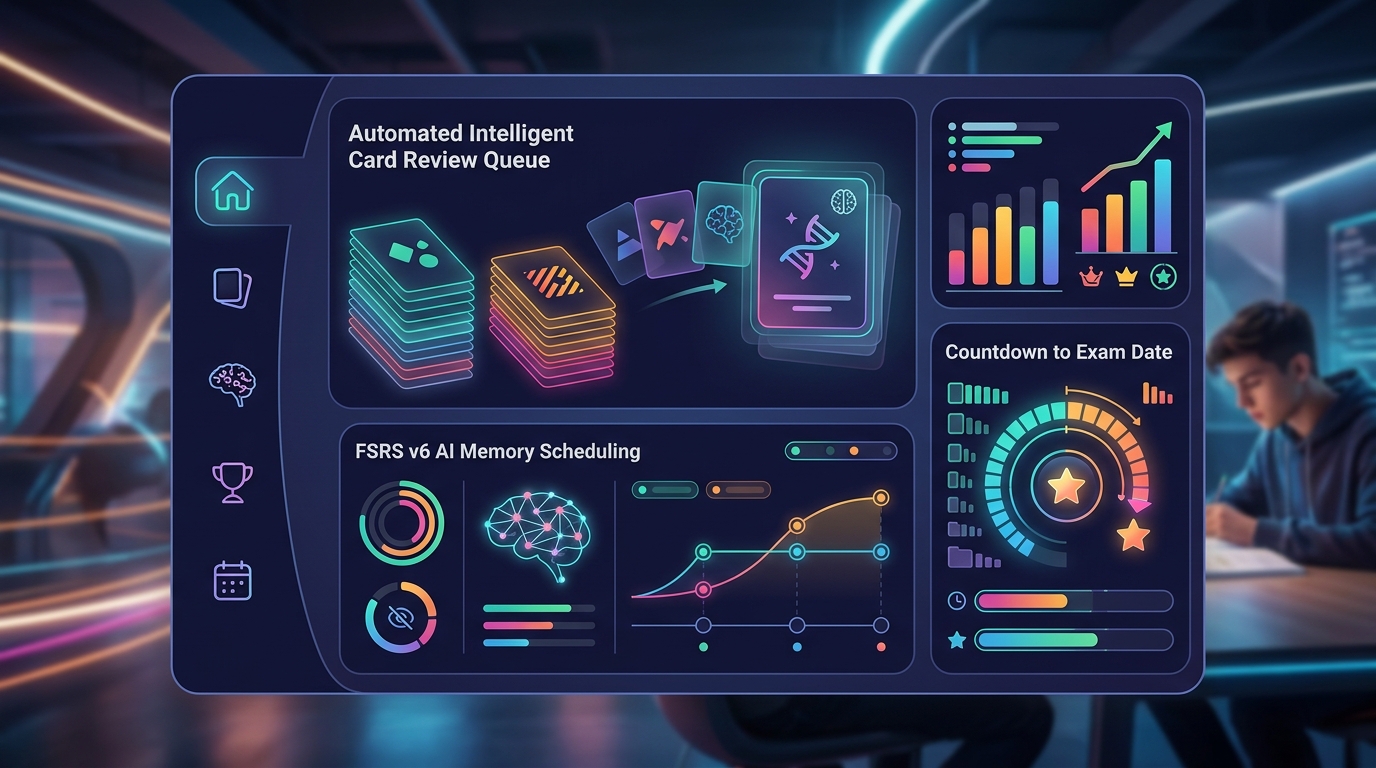
PathMemoria is an advanced memory web application incorporating the latest FSRS v6 forgetting curve algorithm, engineered specifically to eliminate the friction of study scheduling.
Its standout feature is Target Date Back-Calculation: set an exam deadline (e.g. "Master 1,500 terms by November 15 with 90% retention"), and the AI calculates your exact daily review and new card quota. It also includes 1-second Gemini AI card generation, Excel/CSV bulk import, and pocket-friendly background voice autoplay, making it the definitive platform for peak exam efficiency.
Anki: Unrivaled Customization & Worldwide Shared Decks

Anki is a legendary open-source spaced repetition tool widely adopted by polyglots and medical students. It supports custom styling, HTML/CSS, audio clips, LaTeX formulas, and community add-ons.
While access to massive shared deck libraries is a strong asset, the iOS app costs around $25, and the initial setup and complex algorithm parameters require tech familiarity. It remains a powerhouse for power users who enjoy fine-tuning their study environments.
Quizlet: Gamified Matching & Collaborative Class Decks
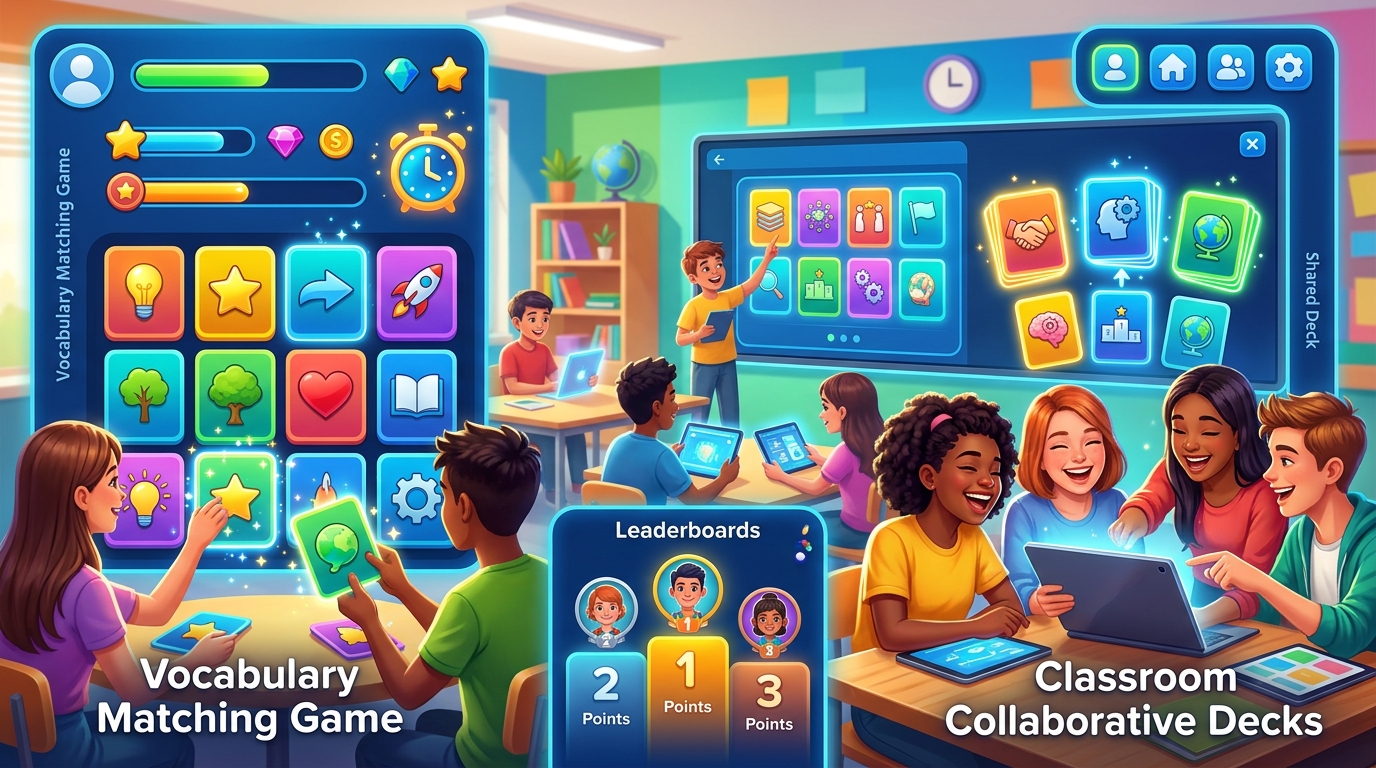
Quizlet is a globally recognized platform featuring card matching games, multiple-choice quizzes, and collaborative study sets designed for peer learning.
It makes starting easy for groups and classes, though recent updates placed several study modes behind a paid paywall. Because it relies on fixed-set repetition rather than strict forgetting curve algorithms, it is best suited for quick review before classroom quizzes.
mikan: Fast-Paced 4-Choice Quizzes for Instant Habit Building

mikan is an exceptionally popular vocabulary app in Japan featuring a cheerful mascot and rapid 4-choice quiz pacing (reviewing 10+ words in under a minute).
Covering standard test curricula from junior high to TOEIC, its streak tracker helps beginners maintain consistency. Keep in mind that heavy reliance on 4-choice prompts can foster passive recognition rather than active production, and custom deck importing is limited.
WordHolic: Clean, Lightweight Custom Flashcard Management
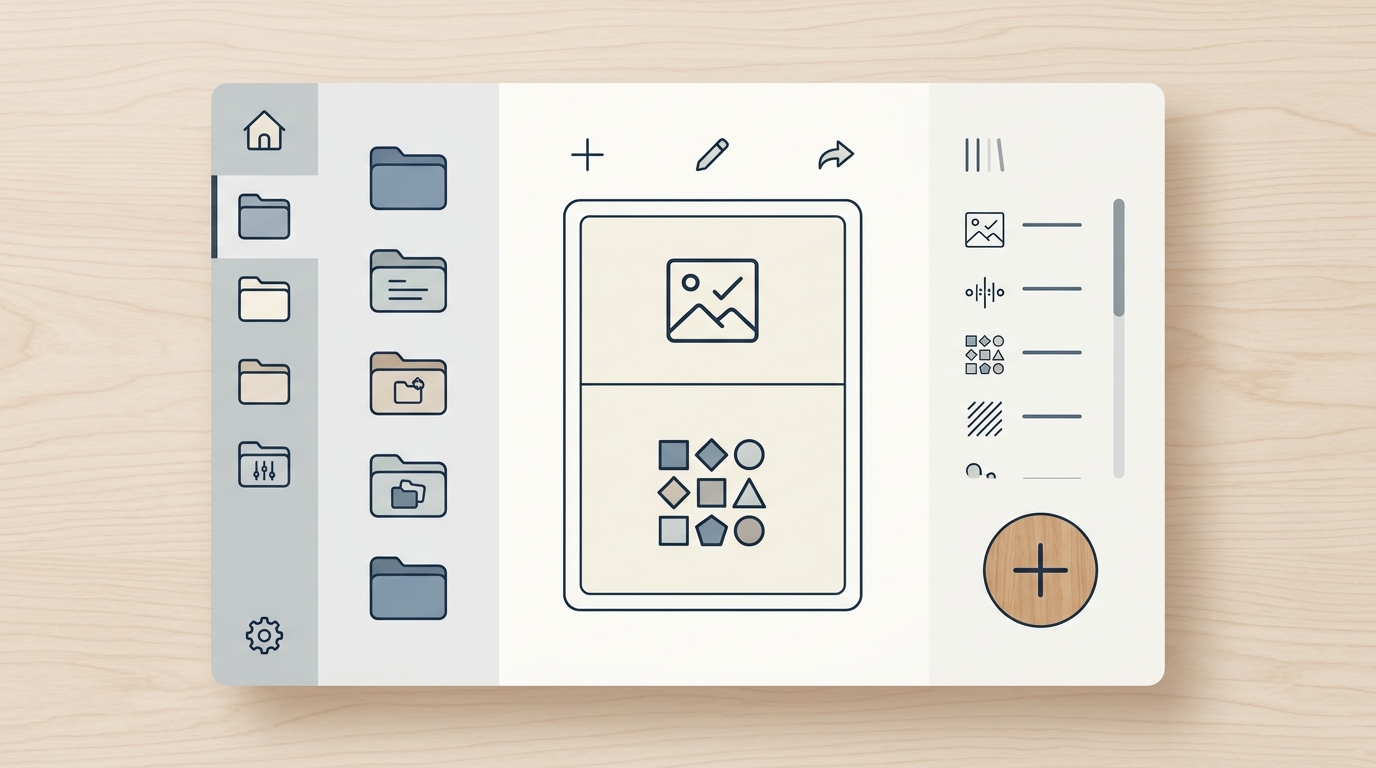
WordHolic is a minimalist custom flashcard app stripped of complex gamification or social feeds, focusing purely on clean folder organization.
It supports manual entry, audio playback, and photo attachments with zero bloat. It does not include automated spaced repetition algorithms, so users must decide which folders to review each day.
iKnow! / Monoxer: Enterprise & School-Grade AI Memory Systems

iKnow! and Monoxer are sophisticated platforms combining cognitive science with machine learning analytics.
iKnow! integrates dictation and shadowing for professional business English, while Monoxer empowers schools to visualize student retention in real time. Both require subscriptions or institutional accounts, offering structured paths for formal curricula.
📝 [Check Quiz 2]Selection Criteria Review
[Question] When facing a strict exam deadline, which combination of features delivers the highest study efficiency?
💡 View Answer & Explanation
[Answer] Target date back-calculation quota planning synchronized with a modern forgetting curve algorithm (e.g. FSRS v6).
[Explanation] Rather than reviewing randomly, an AI calculating daily quotas based on target retention eliminates redundant reviews and maximizes score gains.
Summary: Match the Right App to Your Goal for Rapid Exam Success

Vocabulary mastery is never a matter of innate memory talent—it is governed by whether you test yourself with Active Recall and automate your reviews with Spaced Repetition.
If you want to eliminate the stress of manual schedule planning, hit your target score on schedule, and turn commute hours into effortless audio study, try PathMemoria today. Replace rote memorization with intelligent science and conquer your target score!


![[2026 Guide] Overcoming Anki Fatigue: How to Eliminate Complex Settings & Add-Ons with Next-Gen Spaced Repetition](https://pathmemoria.tsmichi.com/blog/anki_migration_hero.jpg)